
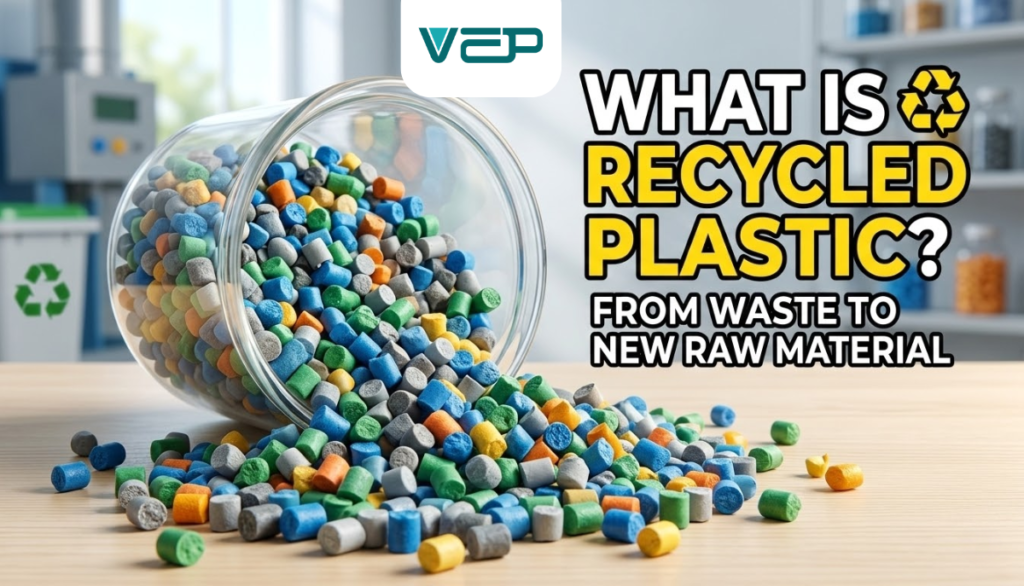
What is Recycled Plastic?
The role of recycled plastic in the plastics industry
In recent years, the concept of recycled plastic has become increasingly prominent in the manufacturing industry. As raw material costs continue to rise and environmental pressure grows, many businesses are seeking more sustainable material solutions. One of the most widely adopted options is the use of recycled plastic in production.
Recycled plastic is essentially plastic that is produced through the collection, processing, and recycling of post-consumer plastic products or industrial plastic waste. After processing, these materials are converted into plastic pellets and reused in various applications. Thanks to this process, recycled plastic helps reduce plastic waste and optimize resource utilization.
Challenges when using recycled plastic
Although recycled plastic offers significant environmental and cost benefits, many businesses still have concerns when using it. Common concerns include:
- inconsistent material quality
- lower mechanical strength compared to virgin plastic
- difficulty in color control
- potential impact on final product quality
In reality, the quality of recycled plastic depends heavily on the input material source and processing technology. When produced under proper standards, recycled plastic can still meet many industrial application requirements.
Why businesses need to understand recycled plastic
If businesses do not fully understand the properties of recycled plastic, material selection may lead to issues such as:
- products not meeting technical standards
- increased defect rates
- difficulty in controlling color and product consistency
On the other hand, when the right type of recycled plastic is used for the right application, businesses can:
- reduce material costs
- minimize environmental impact
- improve production efficiency
Therefore, understanding what recycled plastic is and when to use it is essential.
Benefits of using recycled plastic correctly
1. Reduced material costs
Compared to virgin plastic, recycled plastic is typically more cost-effective. This helps businesses significantly reduce production costs, especially for high-volume products.
2. Environmental sustainability
Recycling plastic reduces plastic waste and decreases the need for virgin petrochemical resources. This aligns with the sustainability goals that many manufacturers are now pursuing.
3. Suitable for various industrial applications
Recycled plastic can be used in many industries, including:
- home appliances
- packaging
- industrial plastic products
- household goods
- plastic accessories
For products that do not require high material purity, recycled plastic is an effective choice.
Recycled plastic production process
The production of recycled plastic typically includes the following steps:
1. Material collection
Raw materials may come from:
- industrial plastic scrap
- post-consumer plastic products
2. Sorting and cleaning
Plastics are sorted by polymer type, such as:
- PP
- ABS
- PS
- PE
Then they are washed to remove impurities.
3. Shredding and melting
The plastic is shredded into small pieces, then melted and filtered to remove remaining contaminants.
4. Pelletizing
After processing, the material is converted into recycled plastic pellets, which can be used in processes such as injection molding or extrusion.
Need consultation on the right plastic material?
Each product has different material requirements. Choosing the right type of plastic – whether virgin, recycled, or compound – helps optimize costs while ensuring product quality.
If you are looking for a stable supply of recycled plastic for your production, VEP’s technical team is ready to provide expert consultation and tailored material solutions. Contact VEP today for professional plastic material advice for your project.
Frequently Asked Questions about Recycled Plastic
What types of plastics are used to make recycled plastic?
Recycled plastic can be produced from various polymers such as PP, ABS, PS, PE, or PET, depending on the source of collected materials.
Can recycled plastic be used for injection molding?
Yes. Many types of recycled plastic are suitable for injection molding, especially for household products or components that do not require high mechanical performance.
Does recycled plastic affect product color?
Compared to virgin plastic, recycled plastic can be more difficult to control in terms of color. However, using masterbatch can help improve color consistency.
Can recycled plastic be mixed with virgin plastic?
Yes. In many cases, businesses mix recycled plastic with virgin plastic to balance cost and material performance.